

 Loading...
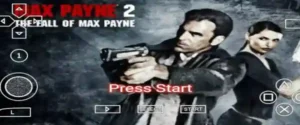
Max Payne 2 PPSSPP brings classic noir action, bullet-time combat, and immersive storytelling to portable devices with customizable controls.
Max Payne 2 PPSSPP – A Portable Take on a Noir Classic
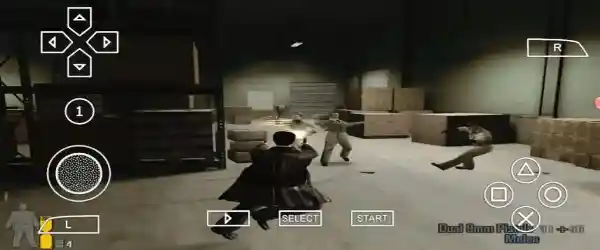
When Max Payne 2: The Fall of Max Payne launched in 2003, it quickly cemented itself as a cult classic in the third-person shooter genre. Known for its hard-boiled narrative, graphic novel storytelling, and revolutionary bullet-time mechanic, the game became a touchstone for cinematic action in gaming. Originally released for PC and consoles, it never officially made its way to handheld systems.
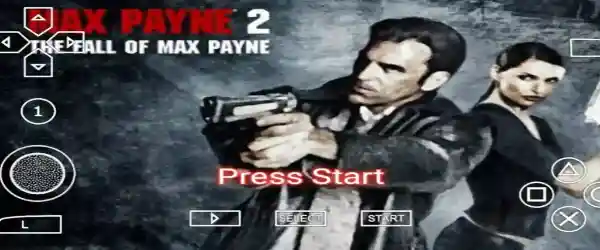
However, thanks to the dedication of fans and the versatility of the PPSSPP emulator, players today can experience Max Payne 2 on portable devices. This adaptation is not an official port but rather a fan-driven project that brings the essence of Max Payne 2 to handheld screens. While it naturally comes with some limitations compared to the PC version, the PPSSPP edition preserves the heart of the experience—intense gunfights, atmospheric settings, and Max’s gripping noir tale.
In this post, we’ll explore what makes Max Payne 2 PPSSPP such an engaging way to revisit the classic, covering its features, gameplay experience, performance, and overall appeal.

Features of Max Payne 2 PPSSPP
Faithful Recreation of the Original Experience
The most striking achievement of the PPSSPP version is how faithfully it mirrors the tone and mechanics of the original game. The developers behind this fan adaptation worked to preserve the gritty, noir-inspired storytelling, complete with atmospheric environments and graphic novel-style cutscenes. While some compromises were made to fit the game onto a handheld emulator, the essential elements—story progression, character interactions, and cinematic presentation—remain intact.
For long-time fans, this means that the PPSSPP version feels instantly familiar. For newcomers, it provides an accessible entry point into the haunting world of Max Payne without the need for a gaming PC or older consoles.
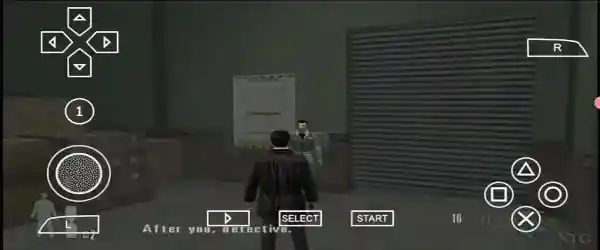
Iconic Bullet-Time Mechanics
Bullet-time was a game-changer when Max Payne 2 was first released. The mechanic allows players to slow down time during firefights, dive across rooms in slow motion, and tactically dismantle groups of enemies in style. This core feature is recreated in the PPSSPP adaptation with care.
Using bullet-time on handheld devices feels just as satisfying, adding both flair and strategy to the gunplay. Whether you’re dodging incoming fire or setting up a cinematic takedown, the slow-motion sequences are as thrilling as ever, reinforcing why bullet-time became one of gaming’s most iconic mechanics.

Engaging Storyline and Character Development
At the heart of Max Payne 2 is its story—a continuation of Max’s personal and professional struggles. Haunted by his past and entangled in a web of crime and betrayal, Max’s journey is conveyed through graphic novel panels that double as cutscenes.
The PPSSPP version includes these narrative elements, ensuring the storyline remains central to the experience. The noir-inspired writing, moody narration, and tragic undertones all carry over, giving handheld players the same engrossing narrative that defined the original.
Customizable Controls and Optimization
One of the strengths of PPSSPP as an emulator is its flexibility. Players can remap buttons, tweak control layouts, and adjust graphical settings to optimize performance. For a game like Max Payne 2 this customization is essential. Precise aiming, smooth movement, and quick reactions are all crucial to survival in gunfights, and customizable controls ensure that each player can tailor the setup to their comfort.
Graphical adjustments, such as resolution scaling and texture filtering, also help balance performance and visuals depending on the device. On more powerful hardware, players can enjoy a smoother, sharper presentation, while those on lower-end devices can dial settings back for a stable experience.
Gameplay Experience on PPSSPP
Playing Max Payne 2 through PPSSPP is a unique experience compared to its original PC release. While the PC version offered detailed environments and higher-resolution textures, the handheld adaptation shines in its portability. Being able to carry Max Payne’s dark world in your pocket and dive into cinematic shootouts anywhere is a major advantage.
The portable experience doesn’t dilute the game’s atmosphere either. The combination of tense action sequences, moody visuals, and noir storytelling still resonates strongly, even on smaller screens.
Performance and Graphics
Performance on PPSSPP varies depending on the device used. On modern smartphones, tablets, or PCs running the emulator, Max Payne 2 can run remarkably smoothly. High-end devices easily handle the game at stable frame rates, making the experience nearly seamless.
On mid-range or lower-end hardware, however, players may need to tweak settings. Adjustments like lowering resolution, disabling certain effects, or reducing texture quality can help maintain smoother performance. Fortunately, PPSSPP offers a wide range of settings, meaning even modest devices can deliver a playable version of the game.
Visually, the noir aesthetic translates surprisingly well to the portable screen. Dark alleys, rain-slicked streets, and gritty interiors retain their atmosphere, even if textures and effects aren’t quite as sharp as the original. The handheld experience emphasizes mood over fidelity, and Max Payne 2 ’s strong art direction ensures it still looks and feels compelling.
Audio and Sound Design
Sound has always been one of the pillars of Max Payne 2. The chilling soundtrack, impactful gunfire, and distinctive voice acting are vital in building the game’s atmosphere. The PPSSPP version retains these elements, allowing players to experience the same immersive soundscape.
While audio compression may occasionally occur on certain setups, the overall quality remains impressive. Max’s gravelly narration, combined with the somber score, continues to drive home the game’s noir sensibility. The sound of bullets tearing through rooms during bullet-time shootouts adds to the cinematic weight of each encounter.
Conclusion
Max Payne 2 PPSSPP offers a compelling way to revisit or discover a classic third-person shooter. While it isn’t an official port, the fan-driven adaptation succeeds in bringing the essence of the original to portable devices. Its faithful recreation of the storyline, iconic bullet-time mechanics, and atmospheric design ensures that the soul of Max Payne 2 is preserved.
Of course, there are trade-offs. Graphics and performance vary depending on hardware, and the handheld format naturally means some visual compromises compared to the original PC release. Yet the portability and convenience of playing Max Payne 2 on the go more than make up for these limitations.
For fans of the franchise, this is an excellent way to revisit Max’s tragic journey. For new players, it provides an accessible gateway into one of gaming’s most influential shooters. Whether you’re on a high-end smartphone or a mid-tier tablet, PPSSPP makes it possible to experience Max Payne 2 in a fresh, portable format.
Two decades later, Max Payne’s world of crime, betrayal, and bullet-time shootouts remains just as captivating—and now, it fits in the palm of your hand.